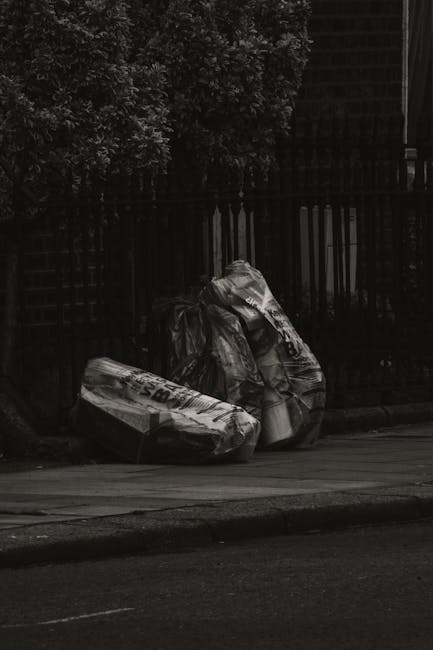
Emergency rubbish pickup after flat clearance Westminster: fast, sensible help when the clock is against you
If you have just finished a flat clearance and the place still looks like a half-packed moving day gone sideways, you are not alone. Emergency rubbish pickup after flat clearance Westminster is exactly the kind of service people need when bulky items, bagged waste, and leftover clutter have to go quickly, safely, and without upsetting neighbours, landlords, or building managers. In Westminster, where tight stairwells, parking limits, and busy streets can make a simple clear-out feel oddly complicated, the right approach saves time and a lot of stress.
This guide explains what emergency rubbish pickup actually involves, how it works in practice, who it helps most, and what to watch out for so you do not end up paying twice or leaving waste behind. To be fair, flat clearance rarely ends at the front door; the real challenge starts once everything is on the landing.
Why Emergency rubbish pickup after flat clearance Westminster Matters
Flat clearance often produces more waste than people expect. One minute you are moving a wardrobe, two chairs, a broken desk, and a stack of bags; the next minute you have a corridor full of items that cannot stay in the flat and definitely should not be dumped outside "just for an hour". In a place like Westminster, that can become a real problem very quickly.
Emergency rubbish pickup matters because leftover waste can block access, create fire risks, upset neighbours, attract complaints, and delay handovers. If you are working to a checkout deadline, a tenancy end date, or a sale completion, the rubbish is not just a nuisance; it can hold everything up. A missed pickup can turn a tidy clear-out into a stressful scramble.
There is also a practical reality that many people overlook: flats are harder to clear than houses. Staircases, lifts, concierge rules, restricted loading, and narrow windows for parking all slow things down. What looks like "a few bits left over" on paper can become a serious access issue once you are standing beside it with no van, no lift, and a very annoyed neighbour looking at the hallway.
Expert summary: if a flat clearance leaves behind bulky waste, mixed rubbish, or items that cannot stay on site, an emergency pickup is usually about speed, access planning, and lawful disposal - not just "getting rid of stuff".
How Emergency rubbish pickup after flat clearance Westminster Works
In simple terms, emergency rubbish pickup is a rapid-response collection service for waste that needs removing sooner rather than later. After a flat clearance, that may include bagged rubbish, cardboard, broken furniture, loose household items, old carpets, small appliances, and general mixed waste. The exact load matters because it affects how the collection is priced, loaded, and disposed of.
The process usually starts with a description or photos. A good provider will want to know what type of waste you have, whether there are stairs or lift access issues, and whether there is a parking or time restriction nearby. That is not bureaucracy for the sake of it. It is how a crew decides whether they can send a suitable vehicle and the right number of people the first time.
If the clearance has already been completed, the pickup may be scheduled as a separate visit. If the waste is still inside, the team may collect it directly from the flat, hallway, or loading point. In some cases, a service such as flat clearance works best when it is paired with same-day removal, because one team can clear, sort, and load in one efficient pass. That is often less messy and less expensive than booking two separate jobs.
For heavier or awkward waste, you may also need related services like furniture disposal or sofa removal. If you are clearing a whole property rather than one room, broader options such as home clearance or house clearance can be more efficient. The trick is matching the service to the reality on the ground, not just the label on the invoice.
After collection, the waste should be taken to an appropriate transfer, recycling, or disposal route. You do not need a lecture on the machinery behind it, but you do need confidence that the waste is being dealt with properly. That matters in Westminster as much as anywhere else, perhaps more so because space is at such a premium.
Key Benefits and Practical Advantages
The biggest benefit is obvious: speed. When rubbish has to go, a responsive pickup keeps your flat, hallway, or building clear and usable. But speed is only part of the story.
- Less disruption: waste is removed before it starts causing friction with neighbours, agents, or building staff.
- Better access management: timed collections reduce the chance of blocking shared spaces.
- Cleaner handovers: a flat left clear is easier to inspect, photograph, and hand back.
- Lower stress: one less thing to coordinate when you are already moving, cleaning, or closing out a tenancy.
- Improved safety: fewer trip hazards, less lifting around corridors, and less chance of leaving sharp or broken items around.
- More predictable outcomes: a planned pickup is much calmer than an improvised "we'll sort it later" approach. We have all said that before. It rarely ages well.
There is also a financial advantage in avoiding repeat journeys, parking fines, and last-minute emergency fixes. If the waste is cleared in one visit, that is one booking, one access window, and one set of moving parts to think about.
For some customers, the hidden benefit is peace of mind. When the flat is cleared and the rubbish is gone, the place suddenly feels manageable again. The echo in the hallway gets quieter. The next step becomes obvious. That matters when everything has felt rushed.
Who This Is For and When It Makes Sense
This service is most useful for anyone who has finished a flat clearance and still has rubbish left over that needs to leave quickly. That could be a tenant at the end of a lease, a landlord between occupants, a letting agent arranging an urgent turnaround, or a family member dealing with a relative's belongings. Sometimes it is just a straightforward move-out gone wrong. Boxes multiply. Furniture stays longer than planned. Life happens.
It also makes sense if the flat clearance uncovered waste you did not expect, such as old mattresses, damaged shelving, packaging from appliances, or bits of renovation debris. A few sacks of general rubbish are manageable. A pile of mixed waste, not so much.
Emergency pickup is particularly sensible if:
- you have a strict move-out deadline
- the building has access rules or limited lift slots
- the property needs to be photographed or re-let quickly
- the rubbish cannot remain in communal areas
- the waste is too bulky for normal household disposal
- you are trying to avoid storing rubbish in the flat overnight, which is never pleasant
If your situation is less urgent but still involves ongoing waste, a planned rubbish clearance, rubbish collection, or broader waste removal service may be a better fit. The key is urgency. If the waste can wait, you have more options. If it cannot, get serious about the collection plan quickly.
Step-by-Step Guidance
Here is a practical way to handle emergency rubbish pickup after a flat clearance in Westminster without losing half a day to phone calls and guesswork.
- Separate what is staying from what is going. Keep documents, valuables, keys, and anything the landlord or estate agent expects you to leave behind apart from the waste.
- Sort the load roughly. You do not need museum-grade organisation. But it helps to know whether you have general rubbish, furniture, electrical items, cardboard, or mixed waste.
- Take clear photos. Wide shots and close-ups both help. Show awkward items, stairs, lift access, and any blocked route. It saves time later.
- Check access constraints. Westminster streets can be tight. Note loading restrictions, concierge hours, and any permit or timing issues relevant to the building.
- Request a same-day or urgent slot. Be honest about the deadline. If you need the rubbish gone before an inspection, say so plainly.
- Ask what is included. Loading, labour, disposal, and any extra handling should be clear. Avoid surprises. Nobody likes those.
- Prepare the route. Move small obstacles out of the way, unlock doors, and make sure the team can get to the waste efficiently.
- Confirm the collection point. Will the waste be taken from inside the flat, the hallway, or the curbside? Get that sorted before the van arrives.
- Keep proof if needed. If you are handing a property back, keep any booking confirmation and collection notes for your own records.
There is a simple rule here: the more clearly you describe the waste, the faster the pickup tends to run. A crew that arrives ready for a mixed bulky load is far more useful than one turning up to a surprise mountain of dismantled furniture. That sort of thing happens more than people admit.
Expert Tips for Better Results
First, think about access before you think about volume. In flat clearances, access is often the real bottleneck. A small load on the fifth floor with no lift can take longer than a larger load at ground level. That is just how it goes.
Second, keep the waste as compact as possible. Break down cardboard, remove loose cushions, and stack furniture parts safely if you can do so without making the area unsafe. The aim is not perfection; it is efficiency. A few minutes of prep can make a noticeable difference.
Third, be careful with items that need separate handling. Paint, solvents, batteries, fluorescent tubes, and some electrical waste may need special treatment. If you are unsure, ask before the pickup rather than guessing. Better awkward questions now than awkward problems later.
Fourth, if the flat clearance has produced a mixture of ordinary rubbish and serviceable items, decide quickly what should be disposed of versus donated, stored, or passed on. Once everything is piled together in the hallway, that decision gets much harder. Strange how that works.
Finally, if you are dealing with a building manager, keep them informed. A short heads-up about arrival time, loading access, and duration can make the whole process smoother. In Westminster, a calm building contact is worth their weight in tea bags.
If you are also clearing offices, garages, or other spaces as part of a broader move, related services like office clearance, garage clearance, or waste clearance may help keep the whole job under control. One clean plan is better than three half-finished ones.
Common Mistakes to Avoid
One of the most common mistakes is underestimating how much waste there really is. Two bin bags sound manageable. Then you look again and notice the broken bedside table, the mattress topper, the printer, the random box of cables, and the bag of mystery items nobody wants to open. Suddenly it is a proper job.
Another mistake is waiting until the last minute to book access. If parking outside the building is limited or the lift is only available during certain hours, a delay can push the whole job into another day. That is especially painful when you are trying to meet a deadline.
People also make the error of mixing unsuitable items with general rubbish. That can slow down the pickup and create disposal issues. If you are not sure whether something is accepted, flag it early. No need to pretend certainty when you do not have it.
A few more to watch for:
- leaving waste in communal areas for "just a bit"
- forgetting to measure large furniture against stair or lift dimensions
- assuming every collection can be done in one small vehicle
- not checking whether the property is fully cleared before the team leaves
- failing to tell the provider about stairs, loading bays, or concierge sign-in
And yes, there is always someone who thinks a sofa can be moved without measuring the corner turn. The sofa usually wins. Every time.
Tools, Resources and Recommendations
You do not need a truckload of equipment to organise an emergency pickup, but a few simple tools help a lot. A phone camera is the most useful one, honestly. Good photos are better than long explanations over the phone, especially when you are tired and standing in a half-empty flat at 7:30 in the morning.
Useful items and resources include:
- Strong bin bags: for loose rubbish, soft items, and small mixed waste.
- Gloves: useful for sharp edges, dusty items, and awkward corners.
- Tape and markers: handy if you are labelling what stays and what goes.
- Measuring tape: helpful for bulky furniture and stairwell checks.
- Mobile photos: probably the best tool in the whole process.
- Simple inventory notes: especially if you are working for a landlord, agent, or family member.
From a service perspective, it can help to compare urgent rubbish pickup with related options such as waste collection and rubbish removal. Some jobs need a fast on-the-day collection; others are better suited to a broader clearance visit. Choosing the wrong one is a common reason people feel they are paying for "the wrong thing", when really the job was just misdescribed at the start.
If you are unsure whether a collection is straightforward enough for a same-day slot, be conservative. Describe the worst part of the job, not the best-looking corner of it. That saves everyone time.
Law, Compliance, Standards, and Best Practice
For rubbish collection in Westminster, the main principle is simple: waste should be handled and disposed of responsibly by someone who is authorised and set up to do the job properly. You do not need to become a compliance expert, but it is sensible to expect lawful handling, safe loading, and proper disposal routes.
In the UK, households and landlords still need to be careful about waste transfer and duty of care. In plain English, that means you should not hand rubbish to anyone who cannot show they are operating properly, and you should not assume waste has been dealt with just because it disappeared from view. If you are handing over a flat, that peace of mind matters.
Good practice usually includes:
- clear description of the waste before collection
- safe lifting and loading methods
- separation of clearly problematic items where needed
- appropriate disposal or recycling route for the material type
- consideration for neighbours, common areas, and building rules
If you are dealing with building or renovation leftovers alongside flat clearance waste, a separate builders waste service may be the better route. Mixing heavy rubble and domestic waste can make collections slower and less tidy. For a business move-out or office de-clutter, a more suitable option may be business waste or waste disposal depending on the load.
One quiet but important point: if an item is damaged, sharp, or potentially hazardous, say so. Nobody benefits from surprises when the van is already outside.
Options, Methods, or Comparison Table
Different clearance situations need different methods. Choosing the right one helps you avoid delay, wasted labour, and repeated trips. Here is a practical comparison.
| Option | Best for | Strengths | Limitations |
|---|---|---|---|
| Emergency rubbish pickup | Urgent post-clearance waste that must go quickly | Fast response, simple, minimal downtime | May be less cost-efficient for very large mixed loads |
| Scheduled rubbish collection | Waste that can wait for a booked slot | More flexible planning, easier to organise access | Not suitable for last-minute handovers |
| Full flat clearance | Whole-property clear-outs with furniture and household items | Efficient when the flat needs emptying from top to bottom | Can be more than you need if only leftover waste remains |
| Furniture-specific removal | Sofas, tables, wardrobes, or a few bulky items | Good for heavy, awkward items | Less suitable for mixed rubbish and small bags |
| Broader waste removal | Mixed loads from a flat, office, garage, or house | Flexible for varied waste types | Needs clear description to avoid confusion |
As a rule of thumb, if the flat is already emptied apart from leftover clutter and bags, emergency rubbish pickup is usually the neatest fit. If you are still deciding what stays, what goes, and what needs dismantling, a wider clearance service may save time overall.
Case Study or Real-World Example
Imagine a one-bedroom flat near central Westminster that has to be handed back by the end of the day. The tenant has done the main clearance, but the hallway still has flattened boxes, an old coffee table, three bags of mixed rubbish, and a broken lamp. The building has a narrow entrance and only one short loading window in the afternoon. Not ideal.
Instead of trying to squeeze everything into a small car or leaving it in the shared corridor overnight, the occupier sends photos of the waste, confirms access details, and books an urgent pickup. The collection team arrives knowing there is a bulky item, a few bags, and a tight route to navigate. The job is loaded efficiently, and the flat is left ready for final cleaning and inspection.
What made the difference? Clear information, realistic timing, and no guesswork about what needed removing. Nothing magical. Just a clean process. That is often the whole game.
Another common scenario is a landlord preparing a re-let after a quick turnover. The flat clearance is mostly done, but an unwanted wardrobe and several loose items are still waiting in the corner. A same-day pickup helps the property move from "nearly finished" to actually usable. You can almost feel the room breathe again when the last bulky item goes out.
Practical Checklist
Use this checklist before you book emergency rubbish pickup after flat clearance Westminster:
- Have you separated waste from items you still need?
- Do you know roughly what type of waste you have?
- Have you taken photos of all bulky or awkward items?
- Do you know whether the waste is inside the flat or already at the entrance?
- Have you checked stairs, lift access, and parking restrictions?
- Is there a time window you must meet?
- Have you identified anything that may need special handling?
- Do building staff, concierge, or neighbours need advance notice?
- Have you confirmed whether loading will happen from inside or outside?
- Have you asked what is included in the collection?
- Have you kept a copy of the booking confirmation?
- Do you know what happens if the crew finds more waste than expected?
Tick those off and the whole thing gets much easier. Honestly, most of the stress in an urgent pickup comes from not knowing the next step. Once the next step is clear, the rest tends to fall into place.
Get a free quote today and see how much you can save.
Conclusion
Emergency rubbish pickup after flat clearance Westminster is about more than removing a few unwanted items. It is about restoring order when the move-out, handover, or property turnaround is on a tight clock. The right service saves time, protects access routes, reduces stress, and helps you finish the job properly rather than half-finishing it and hoping for the best.
In practice, the best results come from clear photos, honest descriptions, careful access planning, and a collection service matched to the waste you actually have. If you are dealing with mixed rubbish, bulky furniture, or a flat that needs clearing fast, the smartest move is to act early and keep the process simple. One good collection can make the whole place feel lighter.
And once the last bag is gone, the flat feels different. Quieter, cleaner, ready. That little bit of breathing space can mean a lot.
Frequently Asked Questions
What counts as emergency rubbish pickup after a flat clearance?
It usually means a fast, urgent collection of leftover waste after a flat has been cleared, especially when the rubbish needs removing before a deadline, inspection, move-out, or handover.
How quickly can emergency rubbish be collected in Westminster?
That depends on access, load size, and scheduling, but urgent pickups are generally arranged for the soonest available slot. The clearer your photos and description, the faster the process tends to move.
Can one pickup handle both bags of rubbish and bulky furniture?
Yes, often it can, as long as the provider knows in advance. Mixed loads are common after flat clearances, but the team needs to understand whether there are sofas, wardrobes, mattresses, or other large items.
Is emergency pickup better than booking a full flat clearance?
It depends on what is left. If the flat is already mostly empty and only rubbish remains, a pickup is usually enough. If the flat still contains significant furniture and household contents, a full clearance may be more practical.
What should I do before the collection team arrives?
Take photos, clear a route, separate keep items from waste, and make sure access details are ready. If the building has concierge rules or limited loading times, tell the provider early.
Can rubbish be collected from inside the flat?
Usually yes, if access is safe and agreed in advance. Some jobs are collected from the flat itself, while others are staged at the entrance or loading point depending on the building and the waste type.
What happens if I have more rubbish than expected?
The provider may need to adjust the load, send a larger vehicle, or split the collection. This is why photos and a realistic description matter so much. Under-describing waste is a classic headache.
Are there items that may need special handling?
Yes. Some electrical items, batteries, liquids, sharp materials, and certain hazardous materials may need separate handling. If you are unsure, ask before collection rather than leaving it to chance.
Do I need to be present for the pickup?
Not always, but it is often helpful, especially if access is tricky or there are items that need a quick decision. For a rush job, being available by phone can save time.
How do I avoid disruption to neighbours in a Westminster flat?
Book a suitable time slot, keep shared areas clear, and avoid leaving waste in corridors or entrances. If the building has rules about service access or lift use, follow them closely. Neighbours usually notice the good jobs, even if they do not say it.
What if the flat clearance has left only a few items?
Then a smaller rubbish collection or furniture removal job may be the better option. The point is to match the service to the real workload, not the label you first had in mind.
Is emergency rubbish pickup expensive?
Costs vary depending on urgency, volume, access, and the type of waste. Same-day work can be more expensive than planned collection, but it may still be the cheaper option if it avoids delays, repeat visits, or problems with handover.
Where should I go next if I also need other clearance help?
If the job involves more than just leftover rubbish, it may be worth looking at broader options like waste collection, waste removal, or related clearance services depending on what is left. The right next step is usually the simplest one, not the fanciest one.