What to know about hidden rubbish removal charges Central London
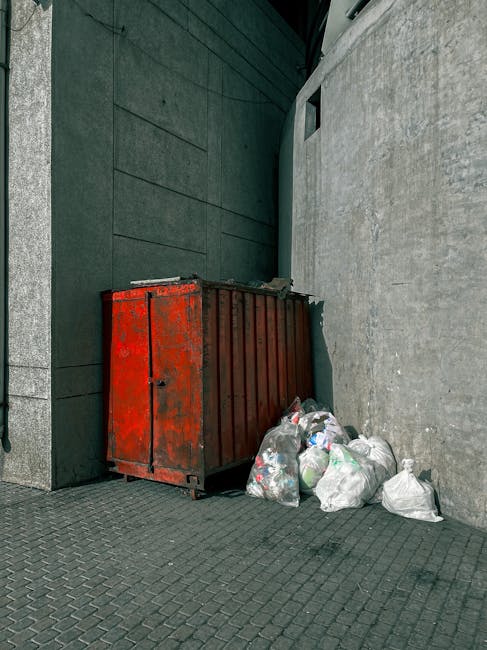
If you have ever asked for a rubbish clearance quote and then felt your stomach drop at the final bill, you are not alone. Hidden rubbish removal charges in Central London can turn a simple tidy-up into an irritating little money puzzle. The good news? Most of those surprise costs are avoidable once you know what to look for, what to ask, and how local collections are usually priced.
This guide breaks it down in plain English. You will learn where hidden fees tend to come from, how honest rubbish removal pricing works, and how to compare quotes without getting lost in small print. We will also cover practical steps, common traps, a useful checklist, and the kind of questions worth asking before anyone lifts a single bag. Let's face it, in a city where parking, access, and time can all get tricky, a clear quote is worth its weight in peace of mind.
Why hidden rubbish removal charges matter
Surprise fees matter because rubbish removal is rarely just about the rubbish. In Central London, the final price can be shaped by tight streets, permit restrictions, awkward stairwells, limited loading space, congestion, and the extra time it takes to move waste from a basement flat or top-floor office. None of that is unusual. But if it is not explained clearly before booking, it can feel like you have been charged for things you never agreed to.
That is the real issue: a vague quote does not just cost money, it costs trust. If a company says "from GBPX" without explaining what that includes, you may end up paying more for stair carries, heavy lifting, parking, waiting time, or items that are harder to dispose of. Sometimes that is fair enough. Sometimes it is not. The difference is transparency.
For homeowners, landlords, tenants, offices, and tradespeople, the stakes can be quite different. A flat clearance in flat clearance terms may need very careful access planning. A builders' job may involve mixed materials and a heavier weight load, which makes builders waste more complex than a few black bags. Either way, the point is the same: if the quote is unclear, the final bill can drift. Quietly. And that is where people get caught out.
Key takeaway: The cheapest quote is not always the cheapest job. In rubbish removal, clarity on access, load size, disposal type, and extras usually matters more than the headline price.
How hidden rubbish removal charges Central London works
Most rubbish removal services build a price around a few core factors: volume, weight, item type, labour, and access. In Central London, those basics are often adjusted for real-world conditions. That is normal. What you want to avoid is a provider giving a vague price first and revealing the real cost only once the truck is outside your building.
Here is how the process usually works. You describe what needs collecting, share photos if asked, and receive an estimate. A good company will ask enough questions to price the job properly: how much waste, what sort of waste, whether there is lift access, whether parking is available, and whether any items are especially bulky or heavy. If they do not ask, that is a small warning sign already.
Then there is the disposal side. A simple household clear-out is one thing. A mattress, fridge, sofa, garden waste, or mixed renovation debris can be another. Some items need separate handling, and some are harder to process than general rubbish. That is why a clear service like rubbish removal should explain what is included, not hide those details until the end.
In practice, hidden charges tend to appear in one of three moments:
- Before collection: a quote that leaves out access, parking, or item restrictions.
- At arrival: a team says the job is bigger or heavier than expected and revises the price.
- After collection: an invoice adds disposal, labour, admin, or congestion-related costs that were not made obvious.
That does not mean every extra is unfair. Sometimes the quote really was based on incomplete information. But if a company is experienced, it should be able to explain the pricing structure in a calm, straightforward way. No drama. No mystery.
Key benefits and practical advantages
The biggest benefit of understanding hidden rubbish removal charges is simple: you keep control of the budget. But there are a few other advantages that are easy to overlook until you are in the middle of a busy London street, trying to get a van parked without causing chaos.
- Fewer surprises: you know what the price covers before the work starts.
- Better comparisons: you can compare like-for-like quotes, not just headline figures.
- Smoother collection day: access, timings, and item details are already agreed.
- Less stress: you are not arguing over "extra" charges in the doorway.
- Stronger accountability: clear pricing usually reflects a more organised service overall.
There is also a time-saving angle. If you are clearing a property in a place like Central London, or working around offices near Holborn or Strand, delays can snowball quickly. A transparent quote helps you plan the move, the lift bookings, the office handover, or the tenant check-out properly.
And honestly, there is a mental benefit too. Once the cost is clear, the job feels smaller. Less like a problem and more like a task with a finish line.
Who this is for and when it makes sense
This topic matters to almost anyone arranging waste removal, but it becomes especially important in busy urban settings and time-sensitive moves. If you are a renter trying to leave a flat clean, a landlord preparing a turnaround, or a business owner clearing a back room, you need the pricing to make sense on day one.
It is particularly relevant if you are dealing with:
- flat clearances with stairs or limited lift access
- house clearances after a move, refurbishment, or bereavement
- office clearance with desks, monitors, filing, and mixed waste
- furniture disposal, especially bulky pieces
- sofas, beds, and other heavy items that need careful moving
- garage clearance, where waste is often mixed and awkwardly stacked
- garden waste, which may be lighter but more voluminous than it first looks
If you are dealing with a single sofa, a few bags, or a light domestic pickup, pricing is usually straightforward. But if the job involves multiple floors, awkward access, mixed materials, or tight time windows, that is where hidden rubbish removal charges can creep in. A provider offering sofa removal or furniture disposal should be especially clear about whether lifting, dismantling, and carrying are included.
Truth be told, if your job description sounds like "a bit of everything," it probably needs a more careful quote.
Step-by-step guidance
Here is a simple way to reduce the risk of hidden charges before you book. Nothing fancy. Just a solid process that works.
1. List everything that needs to go
Do not just say "rubbish." Break it down. Bags, boxes, furniture, white goods, builder debris, garden cuttings, office items, or mixed household waste should all be named. The more specific you are, the less room there is for guesswork.
2. Share photos from a few angles
Photos help, but only if they show the whole picture. Take one wide shot, one close-up, and one of any access points such as stairs, corridors, or basement steps. A tiny pile in a photo can still be a heavy, awkward job in real life. Happens all the time.
3. Ask what the quote includes
Ask directly: does the price include labour, loading, disposal, parking, congestion, and VAT if applicable? If the answer is vague, ask again. There is nothing rude about clarity. It is your money.
4. Confirm access conditions
Let the company know whether there is lift access, whether parking is restricted, and whether the collection point is difficult to reach. In Central London, this can change the job more than people expect. A five-minute walk from the van becomes a twenty-minute carry pretty quickly.
5. Check item-specific charges
Some items may cost more because they require special handling or disposal. Mattresses, fridges, heavy wardrobes, and mixed construction waste are common examples. This is where a good provider will explain the reason rather than just inventing a number on the spot.
6. Get the final price confirmed before work starts
Before any lifting begins, make sure the final price matches the agreed scope. If the team sees something unexpected, they should explain the change first. No surprises halfway through.
7. Keep the invoice or written confirmation
Even a simple confirmation message can be useful if there is a question later. It protects both sides and keeps the job clean and professional.
Expert tips for better results
After enough collections, patterns become obvious. The jobs that go smoothly are usually the ones where the details were nailed down early. Here are the tips that genuinely help.
- Be honest about volume: underestimating the amount of waste is the easiest way to trigger a revised quote.
- Mention awkward items: broken furniture, mirrors, pianos, very heavy cabinets, and similar items should never be left as a surprise.
- Ask about loading time: if the company charges by time, know what starts the clock.
- Plan for building rules: some blocks in areas like Bloomsbury, Blackfriars, or Covent Garden have stricter access, which affects the work.
- Separate recyclable items where possible: it can make the job cleaner and sometimes simpler, though the exact pricing depends on the provider.
- Ask if dismantling is extra: wardrobes, desks, beds, and some shelving units may need taking apart first.
One small but useful habit: ask for a quote in writing, even if only by text or email. It is not distrustful. It is tidy. And tidy is good.
Also, if a company seems annoyed by your questions, that tells you quite a lot. A lot, actually.
Common mistakes to avoid
Most people who get stung by hidden rubbish removal charges make one of a handful of very normal mistakes. Nothing embarrassing. Just easy to repeat when you are busy.
Assuming "cheap" means "complete"
A low first quote can be real, but it can also be a teaser price. If it does not clearly state what is included, treat it as incomplete until proven otherwise.
Forgetting access is part of the job
Access matters a lot more in Central London than in a suburban driveway scenario. If the van cannot park close by, or if the waste has to be carried down multiple flights of stairs, the work takes longer and usually costs more.
Not mentioning mixed waste
Mixed loads are often more complex than single-type waste. For example, a job combining cardboard, plasterboard, timber, and old fixtures is very different from a few bagged items.
Leaving items in hidden spots
Waste in a loft, basement, rear garden, or locked storage area should always be mentioned. If the team discovers extra loads on arrival, they may need to revise the price. Fair enough, really.
Ignoring the fine print
Some people do not read terms and conditions until there is a problem. By then, the whole thing is harder to fix. A quick scan before booking can save a surprising amount of irritation later.
Tools, resources and recommendations
You do not need fancy software to avoid hidden charges. A few basic tools are enough.
- Phone camera: take wide, well-lit photos of the waste and access points.
- Checklist note: write down item types, quantities, and any heavy pieces.
- Building info: know whether there is lift access, restricted parking, or portering rules.
- Measurement reference: use something familiar, like bin bags, a mattress, or a sofa, to describe volume clearly.
- Time window: decide whether the job must happen before an office handover, tenancy change, or delivery slot.
If you are clearing a home or inherited property, services like home clearance or house clearance can be more appropriate than a generic one-off collection because they better reflect the scale and variety of what needs removing. For business premises, office clearance and business waste services are usually the better fit.
If you are comparing providers, ask yourself one simple question: does this quote help me understand the job, or is it just trying to sound attractive? That answer tells you a lot.
Law, compliance, standards and best practice
When rubbish is removed in the UK, waste should be handled responsibly and taken to appropriate facilities. For readers, the practical takeaway is straightforward: use a provider that is clear about how waste is dealt with and does not encourage anything dodgy, rushed, or under-the-table. If something feels off, it probably is.
Best practice usually means the company can explain the following in plain language:
- what types of waste they accept
- whether any items need separate treatment
- how they price labour and disposal
- what happens if the load changes on arrival
- which access issues might alter the fee
For commercial customers, that clarity matters even more. Office moves, stock clearances, and site clearances often involve duty-of-care expectations, building rules, and tighter timing. A good provider should be organised and careful, not vague. If you are arranging waste clearance for a premises near Farringdon or Fenchurch Street, the operational detail can matter as much as the collection itself.
One more thing: if you are told that a charge is "just standard" but it is not explained, ask for the reason. Standard for whom? Standard against what? Those are fair questions.
Options, methods, or comparison table
Different rubbish removal setups suit different jobs. Some are better for small clearances, some for larger mixed loads, and some for repeated collections. The right choice depends on what you need removed and how quickly you need it gone.
| Option | Best for | Watch for hidden charges | Typical advantage |
|---|---|---|---|
| One-off rubbish removal | Single clear-outs, small to medium loads | Access, lifting, and item-type extras | Simple and fast |
| Scheduled rubbish collection | Regular domestic or business waste | Overweight bags, missed sort rules, extra callouts | Predictable routine |
| Waste clearance with larger team | House, office, or flat clearance jobs | Dismantling, heavy items, time overrun | Handles bigger jobs well |
| Specialist item removal | Sofas, furniture, and bulky pieces | Stair carries, disassembly, difficult access | Focused handling for awkward items |
If you are mainly clearing bulky items, specialised services such as waste removal or rubbish clearance may make the pricing model easier to understand than a very broad, catch-all quote. For outside spaces, garden clearance is often a better match than general rubbish removal, especially when green waste and heavier materials are mixed.
Case study or real-world example
Imagine a couple in a fourth-floor flat in Central London clearing out after a long renovation. They have two wardrobes, a broken bed frame, a sofa, several bags of household waste, and a stack of offcuts from the works. They get one quote by phone that sounds fine. It is a bit vague, but fine, they think. The team arrives, sees the narrow stairwell, realises parking is limited, and adds charges for access and extra labour.
Now compare that with a second approach. The couple sends clear photos of the items and staircase, explains that the flat is fourth floor with no lift, and lists the mixed waste separately. The provider gives a more detailed quote up front, including likely access challenges. The price is a little higher on paper, but the collection day is calmer and the final bill matches the agreement. No back-and-forth. No awkward doorway conversation.
That second scenario is usually the better one. Not because it is cheaper, but because it is honest. And honestly, in busy places like Shoreditch, Bishopsgate, or Tower Hill, the value of a clean, predictable service is huge. The job gets done, the building stays calm, and nobody is left arguing over a parking excuse at 6pm.
Practical checklist
Use this quick checklist before you book.
- Have I listed every item that needs removing?
- Have I shared photos of the waste and the access route?
- Do I know whether the job involves stairs, lifts, or long carries?
- Have I asked whether labour, loading, and disposal are included?
- Do I know if parking, congestion, or waiting time could affect the cost?
- Have I mentioned heavy or awkward items such as wardrobes, sofas, or appliances?
- Is the final price confirmed before the work begins?
- Have I checked whether the service suits my type of waste, such as office, household, or builders' rubbish?
- Do I have a written quote or message for reference?
- Does the company explain extra charges clearly, without pressure?
If you can tick most of those boxes, you are in a good place. Not perfect, perhaps, but good enough to avoid most nasty surprises.
Conclusion
The main thing to know about hidden rubbish removal charges in Central London is that most of them are avoidable when you ask the right questions early. Pricing should reflect the real job: access, waste type, weight, labour, and disposal. If it does not, or if those details are buried in vague wording, the risk of surprise costs goes up fast.
The safest route is simple. Be specific, share photos, confirm access, ask what is included, and get the final price agreed before the work starts. That approach saves money, time, and quite a bit of stress. And in a city that moves at full speed, a bit of certainty is worth a lot.
When you are ready to clear space without second-guessing the bill, choose clarity first and everything else gets easier after that. A tidy quote is a good start, and a tidy result feels even better.
Get a free quote today and see how much you can save.
Frequently Asked Questions
What are hidden rubbish removal charges?
They are extra costs that are not clearly explained in the original quote, such as added labour, awkward access, heavy items, parking, or disposal-related fees.
Why do rubbish removal prices vary so much in Central London?
Because access, parking, traffic, loading time, and property layouts can change the job quite a lot. A basement flat near a busy road is rarely the same as a ground-floor collection with easy van access.
How can I tell if a quote is genuinely all-inclusive?
Ask what is included in writing. A proper quote should cover labour, loading, disposal, and any expected access issues. If the answer is fuzzy, treat it cautiously.
Are stairs usually charged extra?
Sometimes, yes. Especially if there is no lift or if the carry is long, steep, or time-consuming. It depends on the provider, so ask before booking.
Do bulky items always cost more?
Not always, but often they do. Sofas, wardrobes, mattresses, and appliances can need extra handling or disposal steps, which may affect the price.
Can I avoid extra charges by sending photos?
Yes, photos help a lot. They give the provider a better idea of the volume, item types, and access conditions, which reduces the chance of a surprise revision later.
What should I ask before booking rubbish removal?
Ask what is included, whether there are access charges, how heavy or awkward items are priced, whether parking matters, and what happens if the waste amount is different on arrival.
Is the cheapest quote a bad sign?
Not automatically, but it can be. If one quote is much lower than the others, check whether something important has been left out. Sometimes the low price is real; sometimes it is not the full story.
Do office or business waste jobs have different pricing rules?
Often they do, because business waste can involve larger volumes, different materials, tighter scheduling, and more detailed planning. A commercial quote should reflect that clearly.
What if the team arrives and says the job is bigger than expected?
They should explain why before changing the price. If the original description was incomplete, a revised quote may be fair. If not, you should ask for a clear breakdown.
Should I read terms and conditions for a rubbish removal booking?
Yes, even if only briefly. That is where many extra charge rules, access terms, and cancellation conditions tend to live. A quick read can save you a lot of grief.
What is the best way to get a fair rubbish removal price in Central London?
Be specific, share good photos, confirm access, and ask for an itemised or clearly explained quote. That combination usually gives the fairest result, and it keeps everyone on the same page.